Productivity vs Efficiency
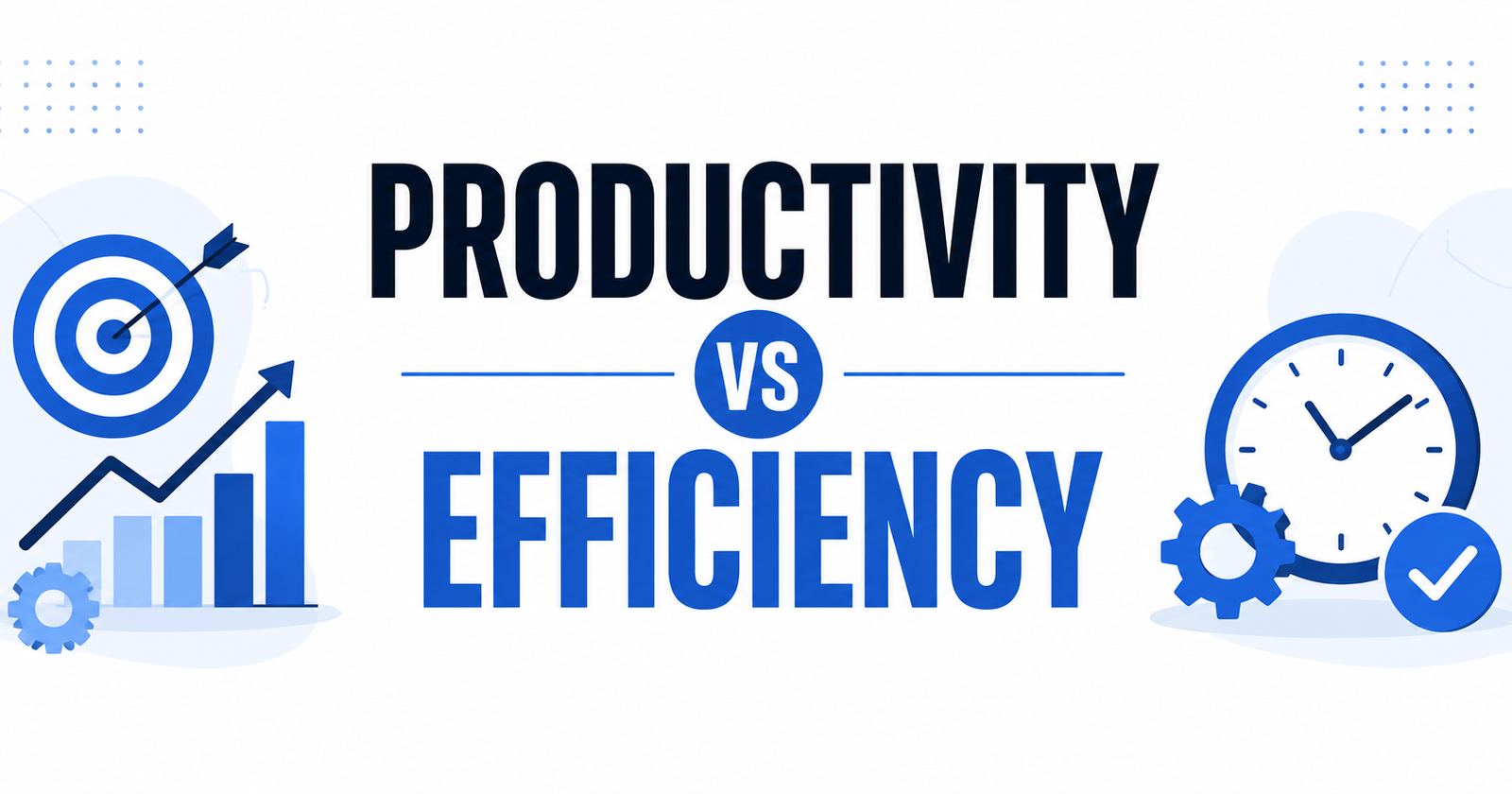
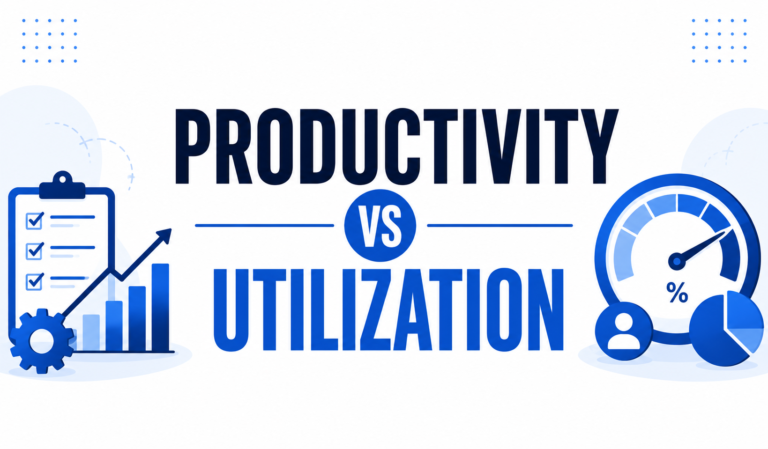
You can be productive without being efficient, and efficient without being productive. That sounds like a riddle, but it’s a real pattern that shows up constantly in therapy, healthcare, and hourly work — and mixing the two up leads to bad advice about how to “fix” a slow day.
The Core Difference b/w Productivity and Efficiency
Productivity is an output number: billable minutes against scheduled minutes, or units produced against a target. It doesn’t care how you got there.
Efficiency is a process number: how much effort, time, or resources it took to produce that output. Two people can hit the same productivity percentage while one burns through their lunch break and the other doesn’t.
Put simply: productivity asks “how much did you produce?” Efficiency asks “how well did you use your time to produce it?”
Why High Productivity Doesn’t Always Mean High Efficiency
A therapist can hit 90% productivity by working through breaks, rushing documentation, and skipping downtime between sessions. The number looks great. The process behind it isn’t sustainable — that’s high productivity, low efficiency, and it’s a fast route to burnout.
Compare that to a therapist who hits 85% productivity with clean, on-time documentation and a real lunch break. Slightly lower output number, meaningfully better process. Run both scenarios through the Lunch Break Calculator — you’ll see how skipping or protecting a break changes your realistic clock-out time even when the productivity target stays fixed
Where This Actually Matters
Efficiency problems usually hide inside a productivity number that looks fine. If your documentation is taking twice as long as it should, you might still hit your productivity target — you’re just doing it by cutting into breaks or staying late, not because your workflow is actually efficient. The Documentation Time Calculator isolates paperwork time on its own, and the Time Efficiency Calculator goes a step further — it measures your process directly, rather than inferring it from a productivity percentage that might be masking the real issue.
Related Reading:-
Conclusion
Productivity tells you what got done. Efficiency tells you what it cost to get it done. A number that looks strong on paper can still hide a process that’s quietly unsustainable. Track both, and a productivity target stops being the only thing that matters — how you hit it starts to matter just as much.